


Disclaimer: The contents of this piece are purely informational, and are not intended as a substitute for medical advice, diagnosis, or treatment. Always consult a qualified healthcare provider before trying any remedy, regardless of its source.
In today’s age of modern medicine, synthetic drugs and biomedical devices are often used to treat conditions. But cultures around the world continue to utilize natural substances for medicinal purposes.
To learn more about the intersection of medical care and culture, I sat down with Professor Eli Suzukovich III. Suzukovich is an associate professor of instruction in Northwestern’s Environmental Policy and Culture program. He is also the Director of Cultural Preservation and Compliance in Northwestern’s Office for Research and the Director of Undergraduate Studies for Northwestern’s Native American and Indigenous Studies minor.
“I’m a faculty member in the program in Environmental Policy and Culture here at Northwestern, and I teach a few courses that focus on ethnobiology and ethnopharmacology and cultural resource management,” Suzukovich said.
To Suzukovich, ethnopharmacology focuses on how societies can use natural products as treatment tools.
“We know it does something,” Suzukovich said. “How is it doing it? You know, what is in the plant? What is in the animal? What is in that venom? How is it working and what does it do? And what can you make from it?”
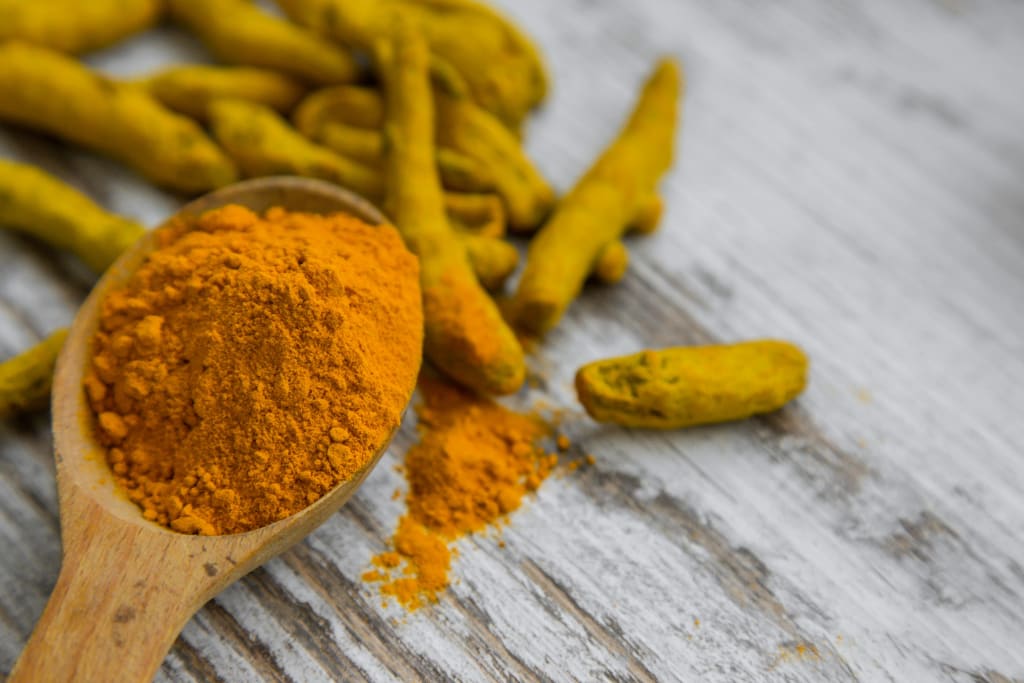
According to Suzukovich, various folk remedies are found across the globe, from blue scorpion venom in the Caribbean to iboga trees in Cameroon and turmeric in India. In addition, the development of several Western medications, such as GLP-one drugs and aspirin, can be traced back to ethnopharmacological precursors like Gila monster venom and willow tree bark.
In the US, Suzukovich said that traditional cultural remedies, such as Indigenous medicines, may be used alongside modern biomedical regimens to help provide symptomatic relief.
Suzukovich: “People will often think of, well, traditional medicine means you don’t do biomedical, but in fact, most people do both, and often what it is is that you know, depending, like for example, if someone has cancer, they’re going to see a doc. You know they’re going to go to biomedical treatment. But the traditional treatments may appear as dietary, as plants that would help relieve symptoms of the cancer. So they’re not curing the cancer, but it’s helping with the symptoms.”
Suzokovich also said that home remedies are often prepared using rudimentary chemical techniques, including maceration, boiling and dissolution. Medicines are often dispensed by traditional care practitioners, who are knowledgeable about the remedy’s recommended dosage and its interactions with other medicines.
“Some plants can have interactions with medications,” Suzukovich said. “A yarrow tea is good for wound care because it has a high tannic acid content. So you could use it to wash wounds. It’s really good after you’ve had your cold or flu, and kind of you’re in that phase where you just like you got all the gunk, and you want to clean out. But if you suffer from migraines, yarrow tea can actually bring on a migraine. So there’s these things that you also have to pay attention to, and that’s why also traditional medicine is not just handed out. It’s not just anybody who can do it. A lot of the Native American communities have people who are specialists, and they’re specialists. They know specifically the dosage, they know exactly what, and they’re going to figure out what’s going to work for you.”
In addition, Suzukovich draws a distinction between the efficacy of cultural medicines and popular wellness trends like essential oils.
“A big thing doTERRA and [Young Living push is] essential oils,” Suzukovich said. “The scam in that, especially with myrrh and frankincense, is that the active compound boswellic acid, which is in both of those trees, is not in the essential oil. Like when you’re making essential oil, you’re just getting the lipid. You’re getting the scent. And essential oils are great if you’re making perfume, cologne, or you want to have the scent, but the actual boswellic acid is not in there. So people are buying this stuff thinking it’s going to help them, and in fact, they’re not.”
According to Suzukovich, folk medicine provides a range of benefits, including a greater environmental connection to the medicine, and a less concentrated dosage. However, Suzukovich said that the practice faces several challenges, including climate change, exploitative labor and ecological conservation.
Suzukovich: “For like 5-MeO-DMT from the Colorado River toad, for example, there’s actually a conference. They call them the Toad Community, and these are people that use toad 5-MeO-DMT extracted or like produced from the Colorado River Toad. They feel that it has a deeper effect, and there’s a relationship with the toad and the patient. You know, so there’s a cultural thing that is happening with the users. Hamilton Morris figured out a way to make synthetic 5-MeO-DMT that mimics the toad’s dosage, right? So again, in a biomedical sense, we have the chemical. We can lab synthesize it, which then doesn’t put pressure on the wild toad populations and things like that. But people push back on it, so there’s a big debate on synthetic versus natural.”
But ultimately, Suzukovich said he believes that traditional and lab-developed treatments often complement each other in patient care.
“Everybody does bio medicine and traditional medicine, right?” Suzukovich said. “You’re going to go to the doctor. You’re going to get your Z pack. But then, what are you going to do? You’re going to go home. You’re going to have soup. You’re going to have rest. Like you’re going to do all these other treatments for your illness, right? So, people are already doing both.”